
What to Do Before the Technician Arrives
This article explains what homeowners can safely do while waiting for a residential HVAC contractor during a no-heat or no-cooling call. Some simple checks may help, but a licensed technician should handle any repair. The steps below describe safe checks, what to avoid, and when to call for emergency service. Need help now? Call (812) 424-3604 for 24/7 emergency service.
Check the Thermostat First
Start by confirming the thermostat is set to the correct mode, either heat or cool. Check that the set temperature is higher than the room temperature for heating, or lower for cooling. Replacing the batteries may also restore a thermostat that has lost power.
If the display is blank, check whether the thermostat is receiving power. A tripped breaker or a switched-off furnace can cause the same symptom, so confirm both before calling for service.
Check the Air Filter
A clogged filter can reduce airflow and cause a system to shut down or run poorly. Turn off the system before checking the filter. If the filter is dirty or hard to see through, it should be replaced before the technician arrives.
Replacing a filter is a routine task that most homeowners can handle. Use the size printed on the filter frame, and install it with the airflow arrow pointing toward the unit.
Check the Breaker and Switches
Look at the electrical panel for a tripped breaker labeled for the furnace or air conditioner. Reset it only once, and if it trips again, leave it off and call for service. A repeated trip may signal an electrical problem that needs a technician.
Also check the switch near the furnace or air handler, which often looks like a light switch. Make sure it is on, because a switch left off can mimic a failed system.
Check the Outdoor Unit
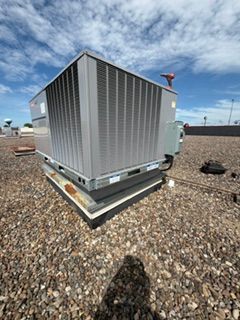
For cooling problems, look at the outdoor unit. Make sure the disconnect switch is on and that the unit is not blocked by leaves, snow, or debris. Keep a clear space around the unit so air can move freely.
Do not open the cabinet or touch any internal parts. Outdoor units contain high voltage and moving components that can cause serious injury.
Signs It Is Time to Call Right Away
Call for emergency service if a system emits a burning smell, makes loud grinding noises, or leaks water. Call if the home has no heat during cold weather, especially if the home includes young children, older adults, or pets. Safety should come first when there is any sign of gas or electrical trouble.
Gas smells require immediate action. Leave the home, avoid using switches, and call the gas company or emergency services from outside.
Questions to Ask When You Call
Tell the technician what the system is doing, what you already checked, and whether anyone in the home is vulnerable to cold or heat. Ask about the expected arrival time and whether emergency service is available. Ask what the visit includes and how the cost will be estimated before any work begins.
What Happens During the Visit
A technician will start by confirming the problem and testing the system. The visit may include checking the electrical connections, the refrigerant, the igniter, or the blower motor. The technician should explain the cause and the options before any repair is started.
When a Technician Is Needed Right Away
A residential HVAC contractor should be called right away when the system shows signs of electrical damage, gas trouble, or water leaks. Those problems can affect safety and can worsen quickly if the system keeps running. A quick call can help a technician arrive with the right tools and parts.
Ask the contractor what information to share when calling for help. Describe the symptoms, the time they started, and any steps already taken. A residential HVAC contractor that receives a clear description can often prepare for the visit and reduce the time the home is without heat or cooling.
Homeowners can review the residential heating and cooling page for the services the team offers. For urgent problems, the contact page lists the ways to reach the team quickly.
Getting Help From a Local Team
A residential HVAC contractor can diagnose the problem and repair it safely. Brian Schmitt Heating & Cooling, Refrigeration & Plumbing offers 24/7 emergency service for heating and cooling problems, and its team can respond to urgent calls outside normal hours. To request emergency service, call (812) 424-3604 or visit the contact page.
Our business details and directions are also listed on
Google Maps, where you can find us in Newburgh, IN.
Recent Posts